
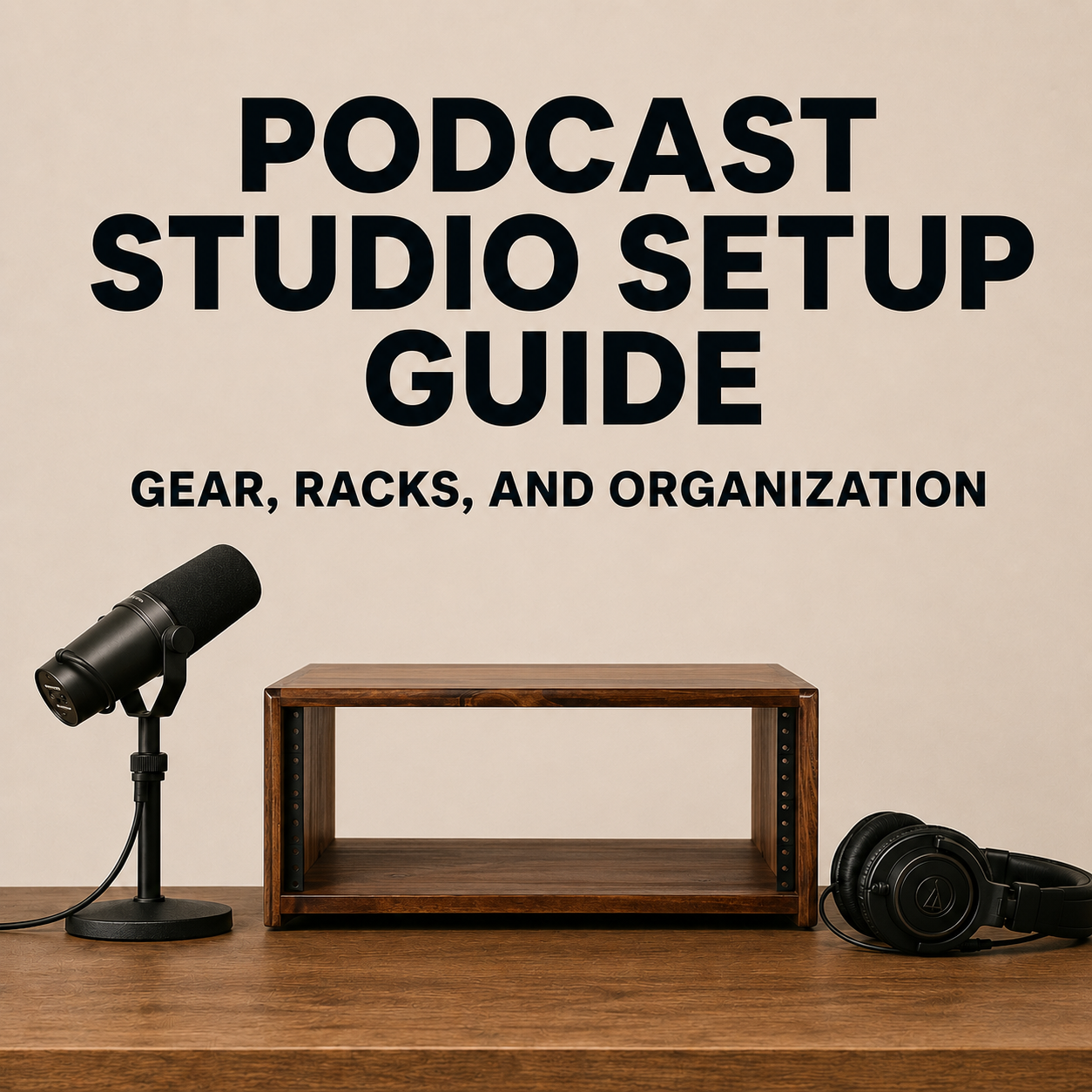
Podcast Studio Setup Guide — Gear, Racks, and Organization
This guide is about the whole setup: what gear your studio needs, how to organize it, what furniture actually works, and how to make it look like you built it on purpose.
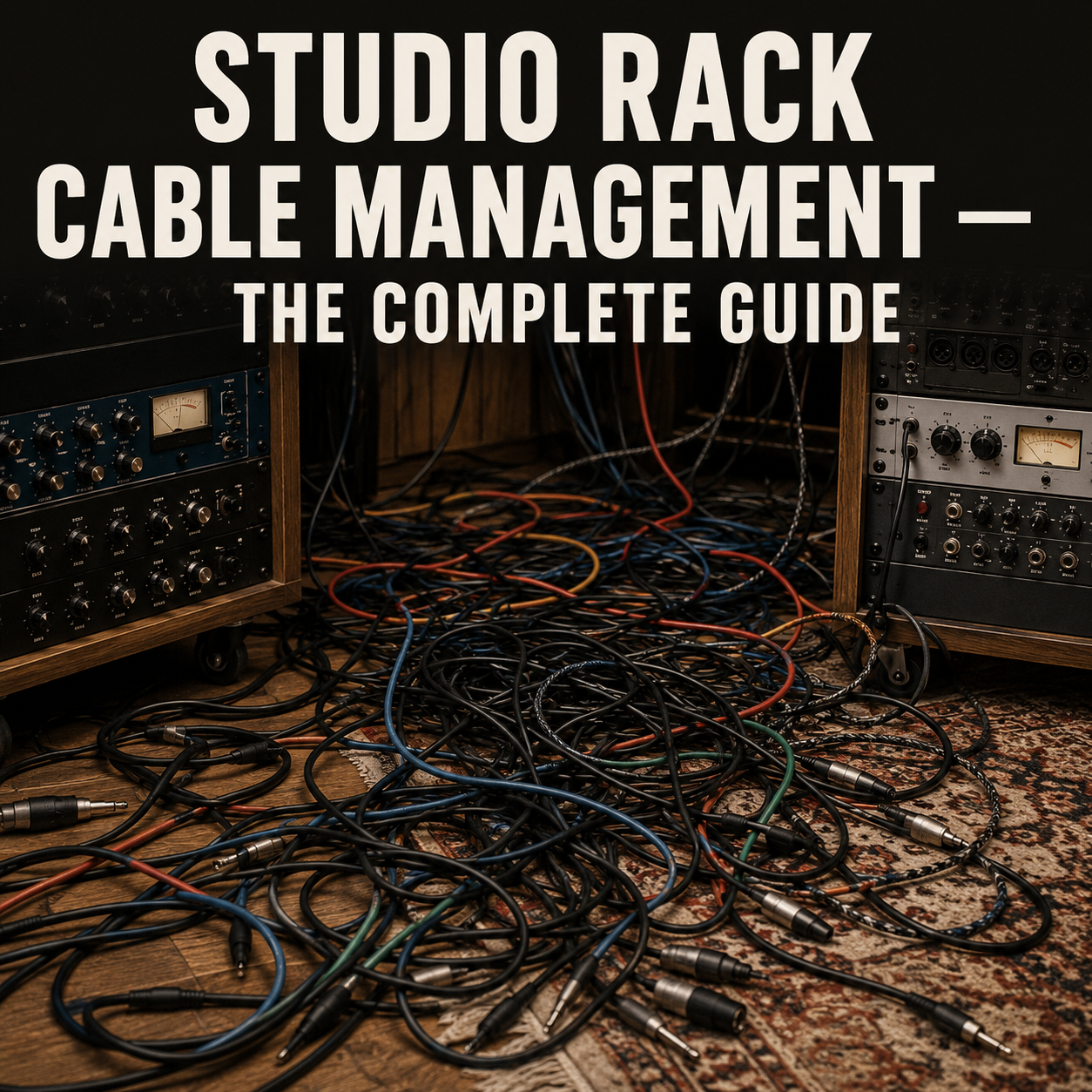
Studio Rack Cable Management — The Complete Guide
This guide is about doing it properly — from planning stage to final tie-down.
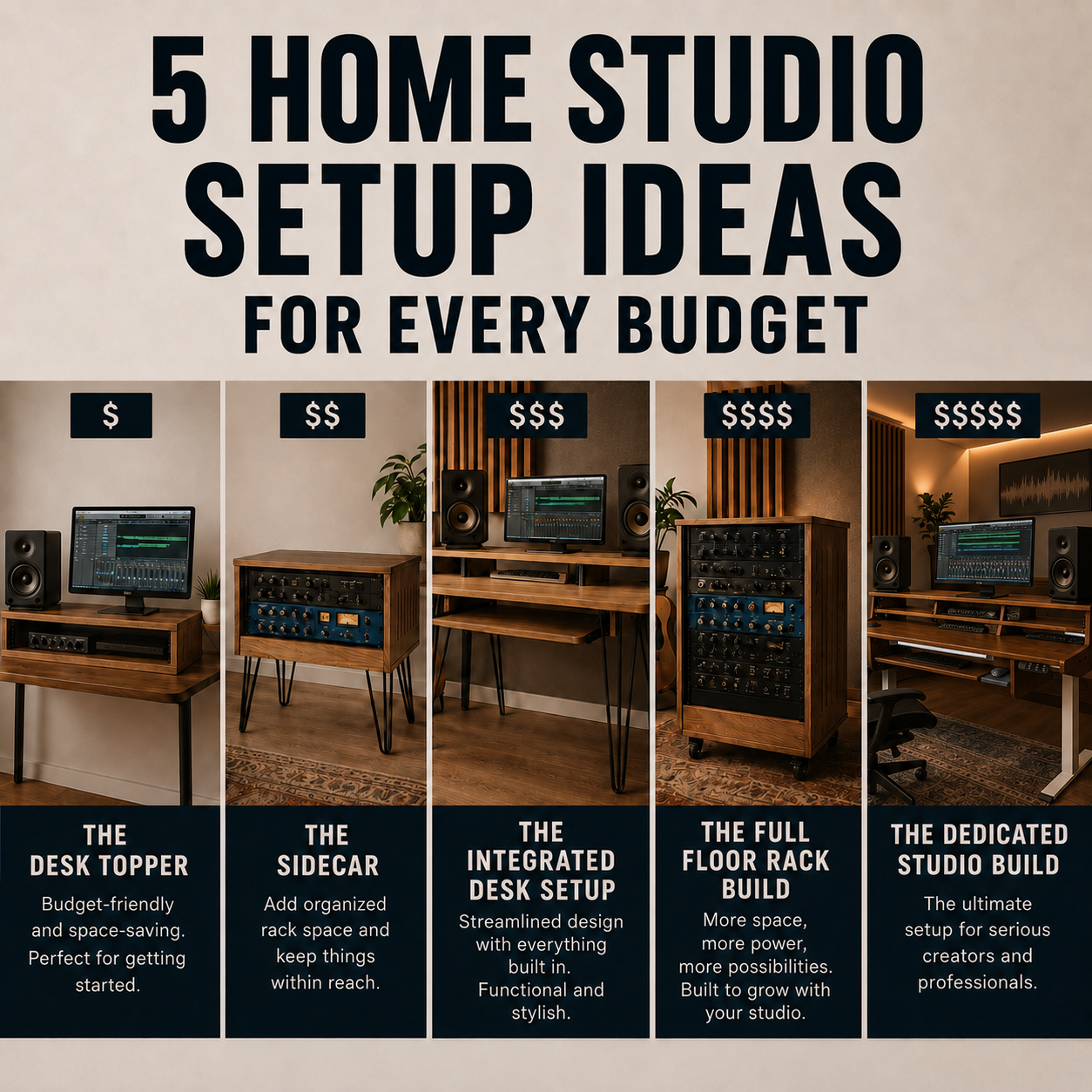
5 Home Studio Setup Ideas for Every Budget
There's no single right way to set up a home studio. The best setup is the one that fits your room, your workflow, your gear, and — yes — your budget. Here are five approaches, from the smallest desk-based setup to a full dedicated studio build, with real product suggestions for each.

Why We Build Everything in California (And Why It Matters to You)
The founder spent twenty years as a recording engineer. He knew exactly what studio furniture should feel like — how it should hold gear, how it should age, what materials it should be made from. And he couldn't find it.
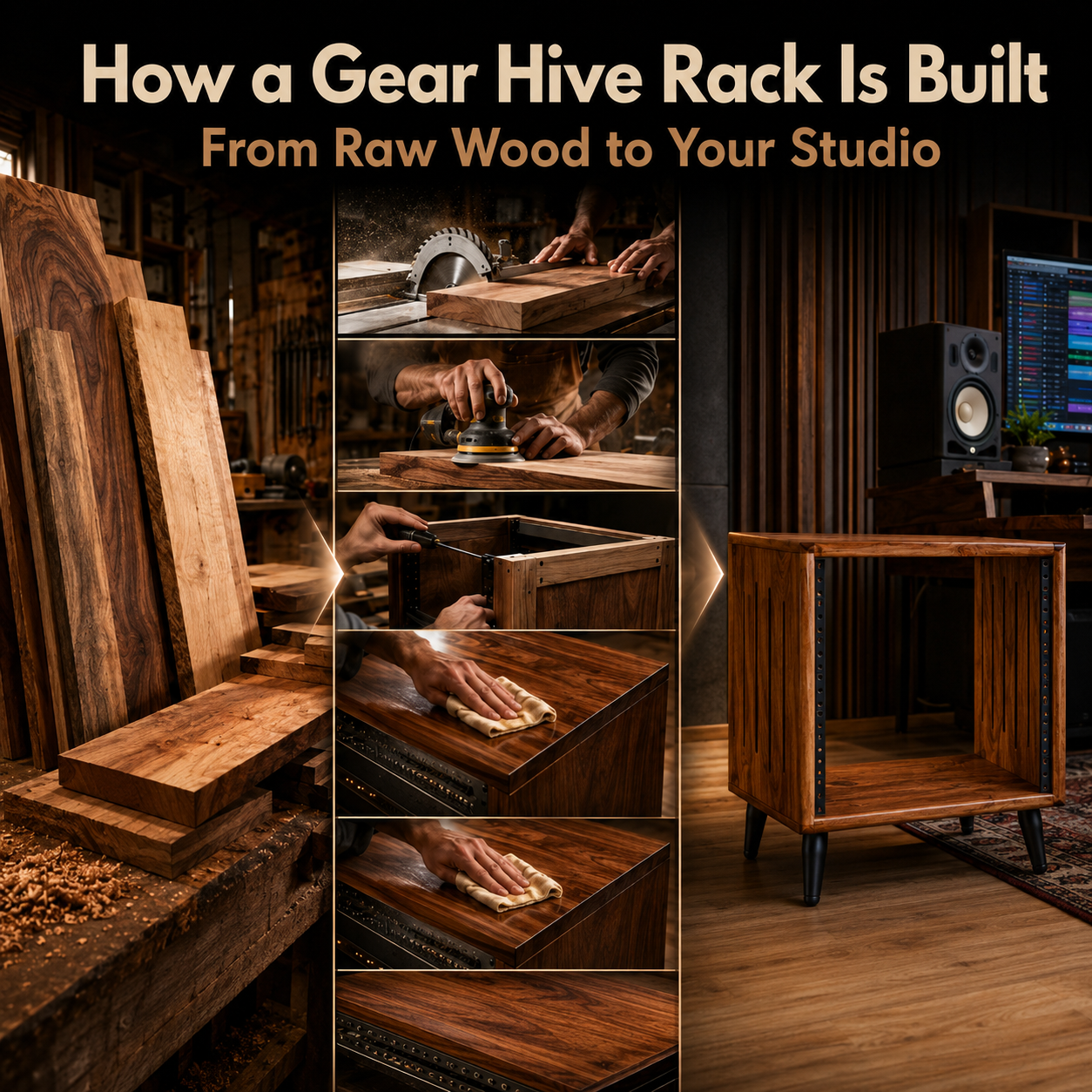
How a Gear Hive Rack Is Built — From Raw Wood to Your Studio
A lot of studio furniture brands talk about craftsmanship. Few of them can walk you through exactly what that means in practice. This is how a Gear Hive rack actually gets made — from the moment the wood arrives at our shop in Lodi, California, to the moment it ships to yours.
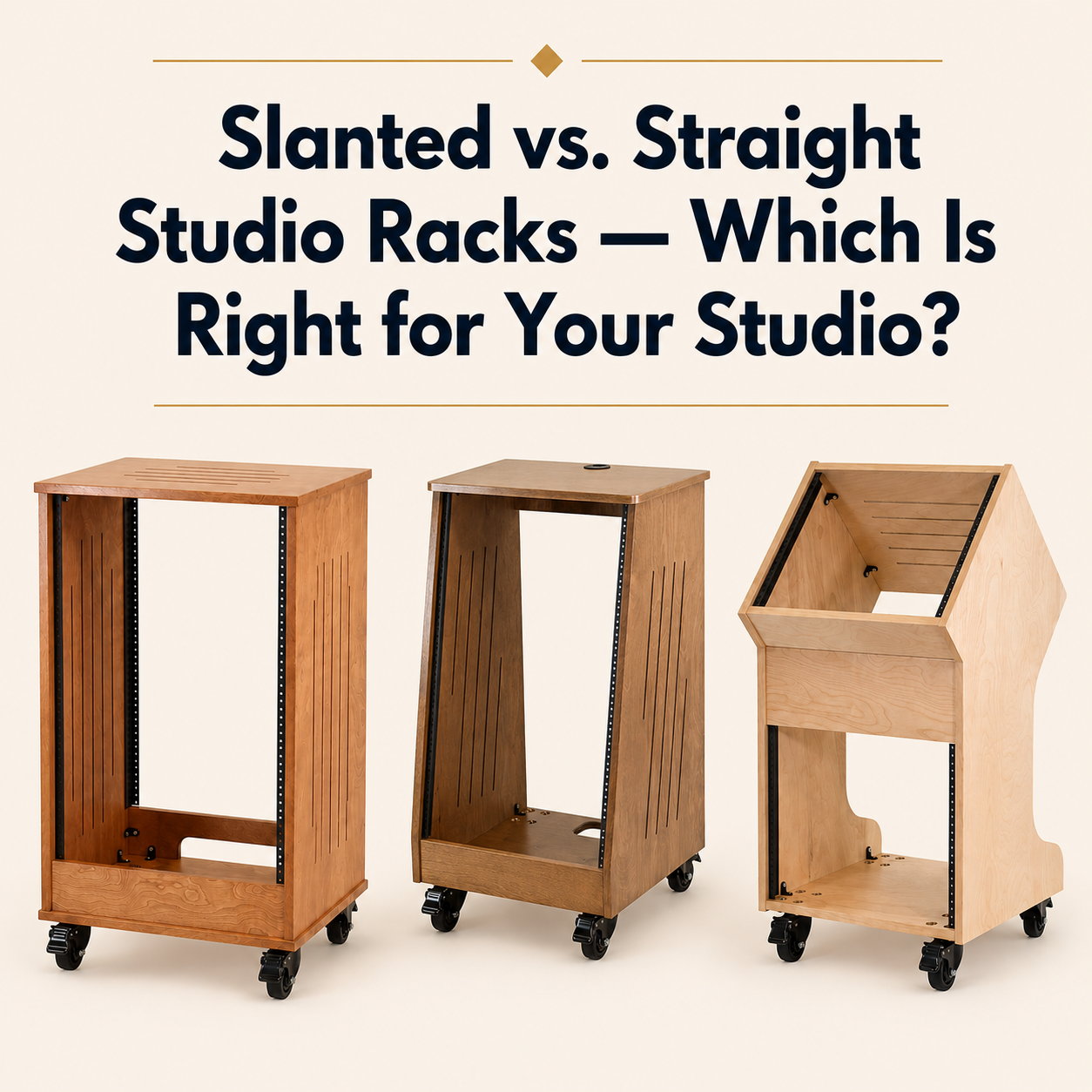
Slanted vs. Straight Studio Racks — Which Is Right for Your Studio?
If you're seated at a desk and your rack is beside or in front of you, a slanted face means your compressor's gain reduction meter, your EQ's frequency display, and your interface's level indicators are all facing you directly — not pointing at the ceiling. Over a long session, not having to crane your neck to read your gear matters.
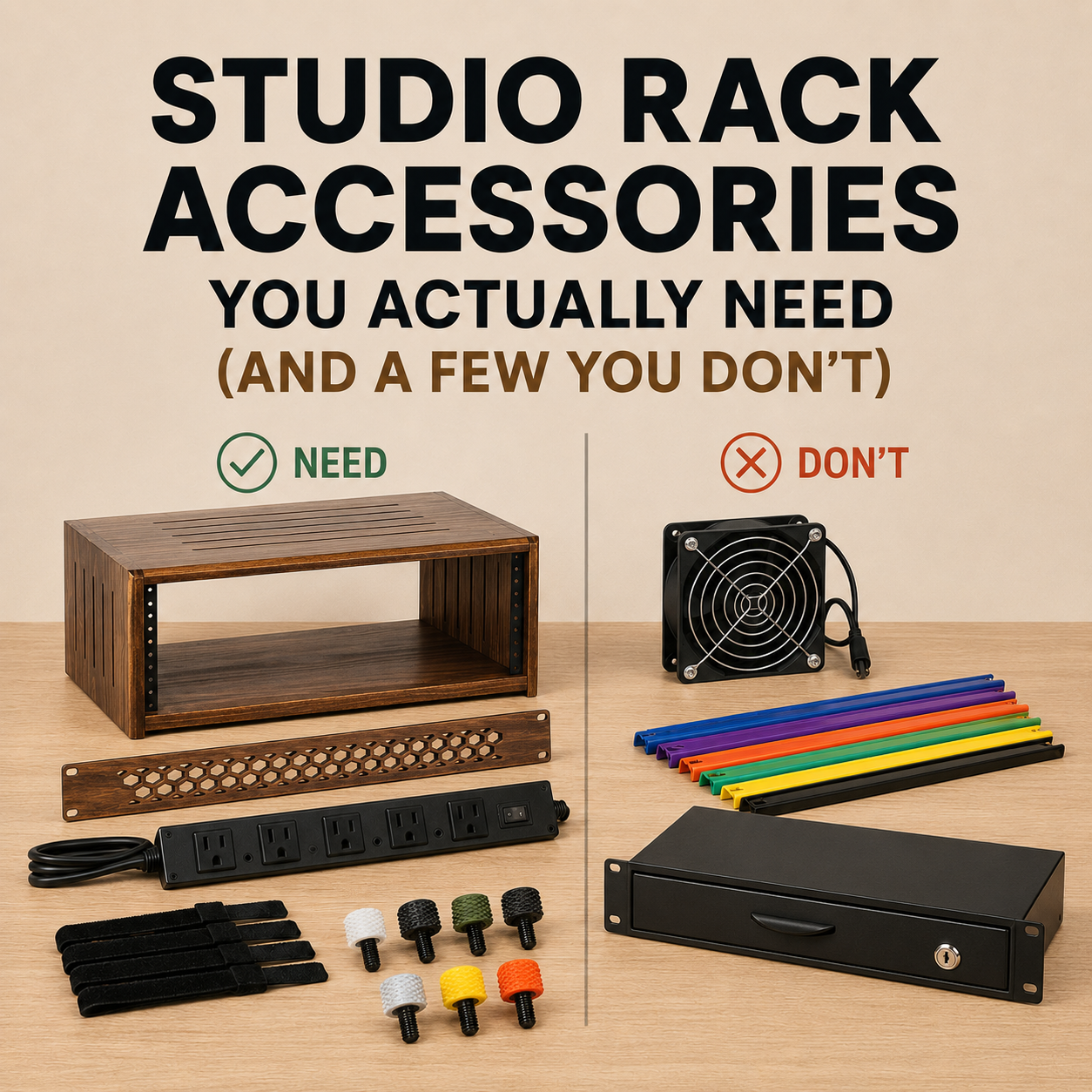
Studio Rack Accessories You Actually Need (And a Few You Don't)
Once you have a studio rack, the accessory rabbit hole opens up fast. Some of it is genuinely useful — the kind of thing you'll add to every rack you ever build. Some of it is gear you'll order once, use twice, and move to a shelf.
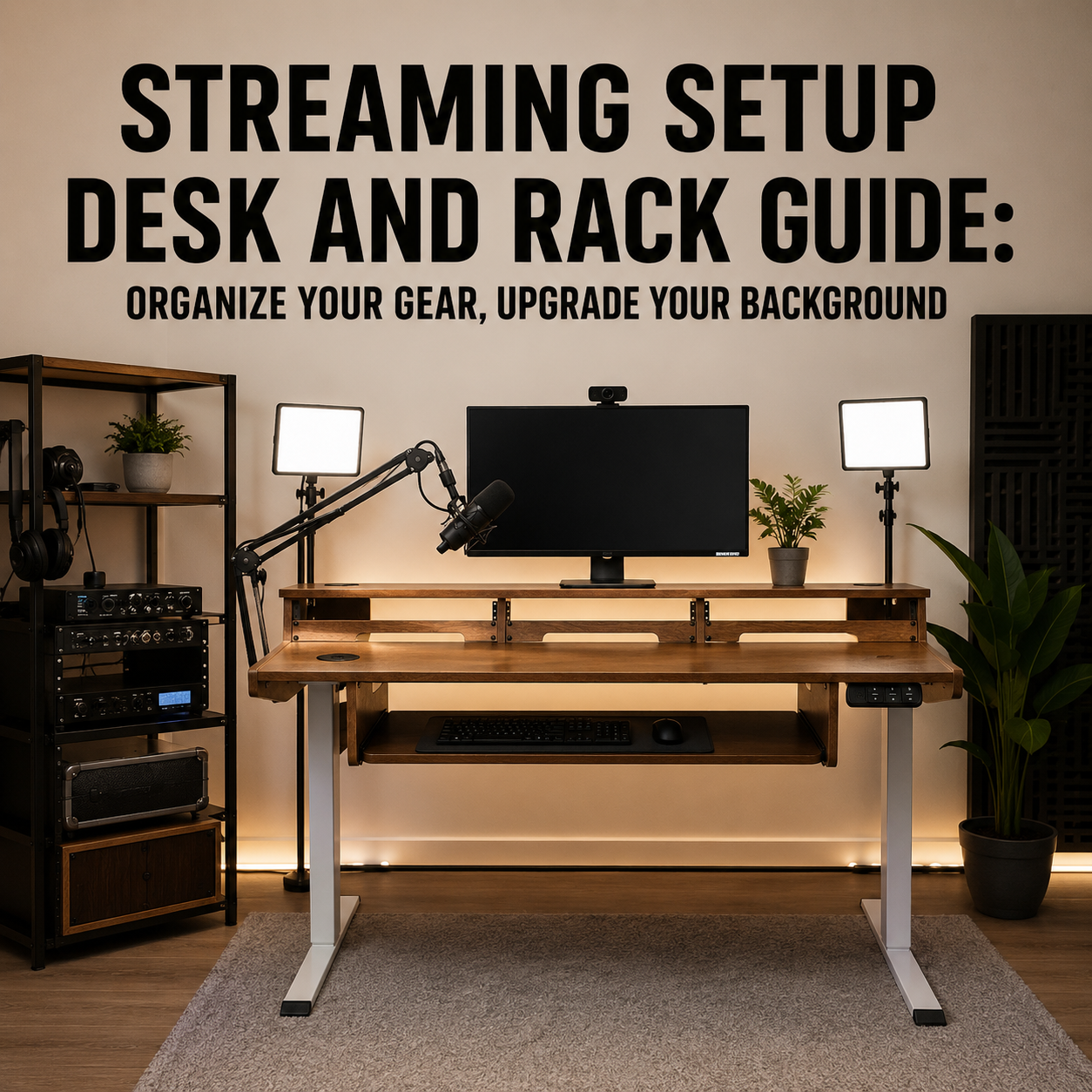
Streaming Setup Desk and Rack Guide: Organize Your Gear, Upgrade Your Background
Something has changed in how serious streamers think about their setup. The RGB-lit gaming battlestation aesthetic — black desks, LED strips, gaming chairs, glowing everything — is giving way to a warmer, more mature visual identity borrowed directly from podcast and recording studio aesthetics.
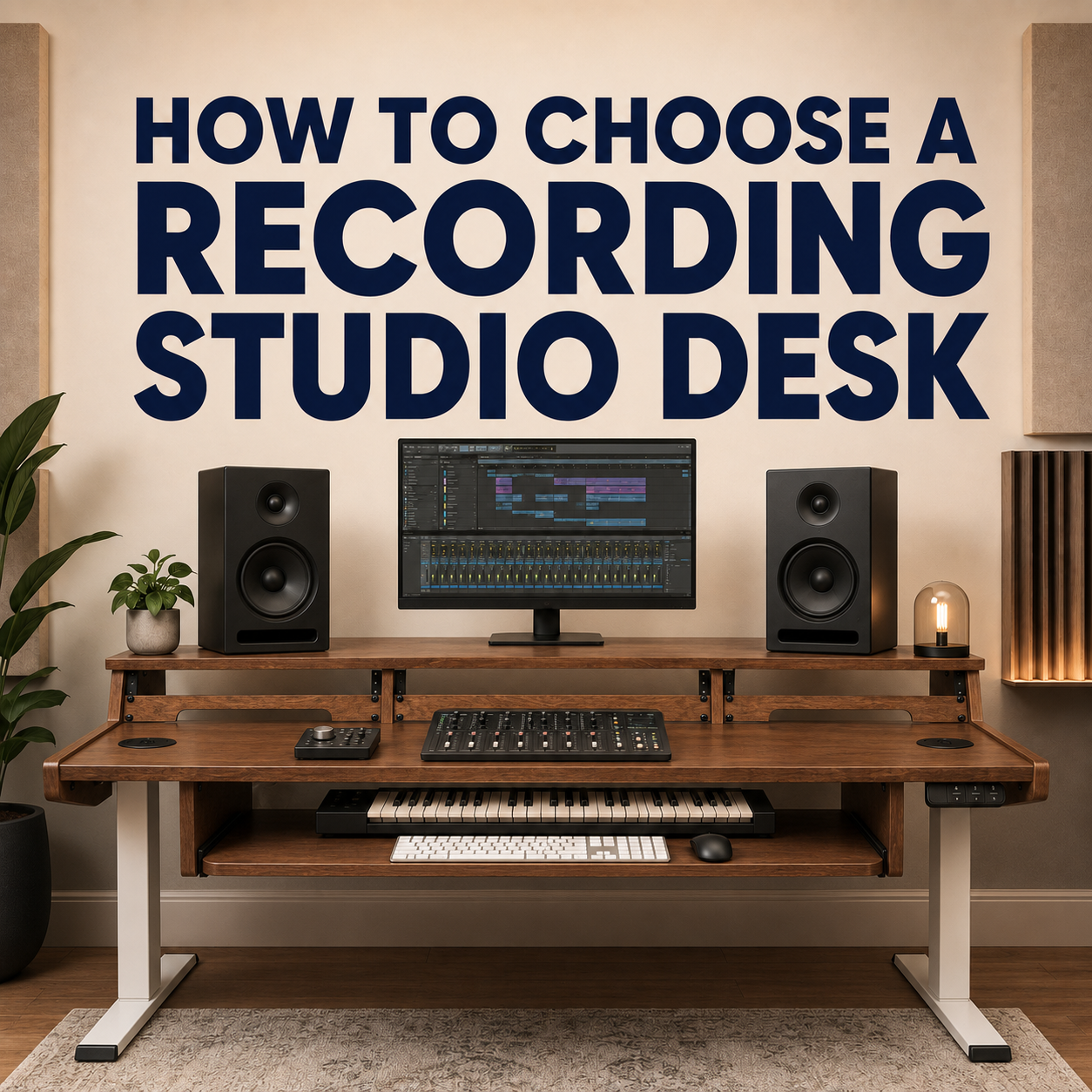
How to Choose a Recording Studio Desk
A studio desk is one of the most consequential purchases you'll make for your recording space. It defines your workflow, determines how organized your gear can be, affects your monitoring position, and — unlike most studio equipment — you're going to look at it every single day. It's worth choosing carefully.
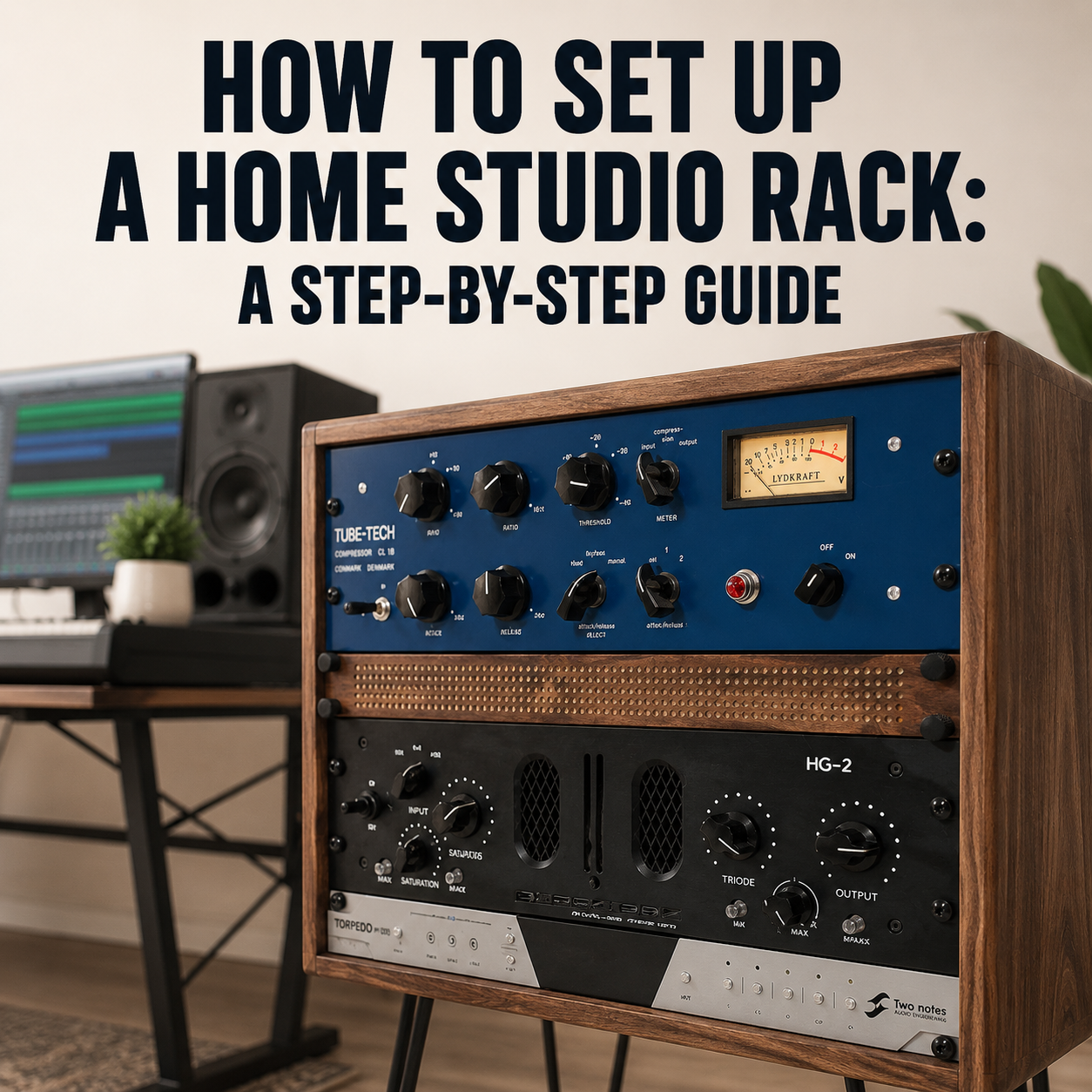
How to Set Up a Home Studio Rack — A Step-by-Step Guide
The biggest mistake in rack setup is putting gear in as it arrives. Before you mount a single unit, lay out your entire signal chain on paper:
Power first: Power conditioner goes at the bottom of the rack. This keeps the heavy unit low (better stability) and runs power up to everything above it.
Signal flow logic: Arrange gear in the order of your signal chain — preamps near the top (frequently accessed), then compressors/EQs, then utilities lower down.
Heat management: Leave at least 1U of space (or a vented panel) above any gear that runs hot. Power amplifiers and some interfaces generate significant heat.
Access frequency: Gear you adjust during every session goes at eye level or slightly below. Gear you set once and forget goes at the bottom.
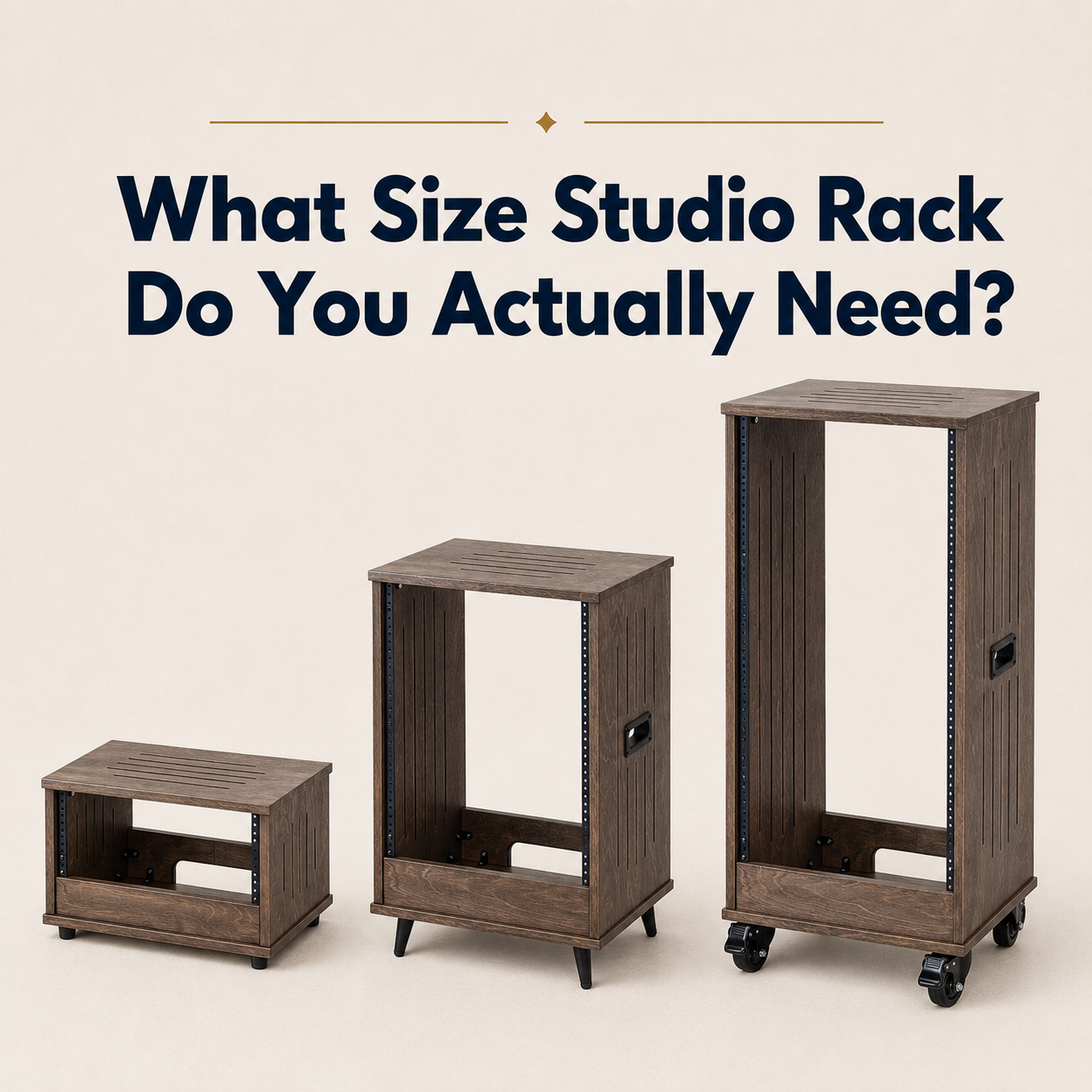
What Size Studio Rack Do You Actually Need?
We've talked to thousands of studio owners at this point. Here's what we've learned about rack sizing — including the mistake almost everyone makes the first time.
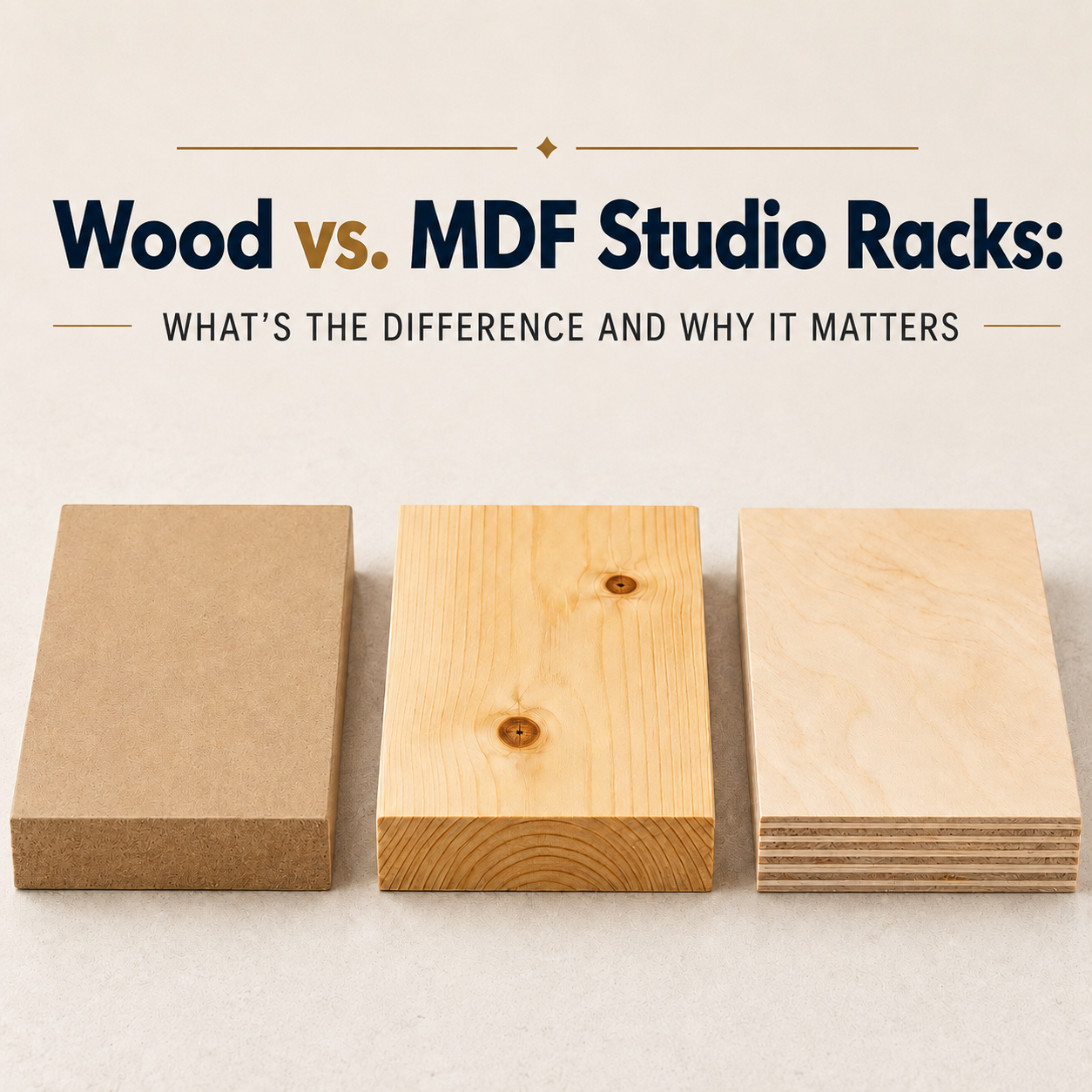
Wood vs. MDF Studio Racks — What's the Difference and Why It Matters
If you've spent any time shopping for a studio rack, you've already noticed that most of them are made from MDF — medium-density fiberboard — while a small number are made from real wood. The price difference can be significant. So what are you actually paying for? And does it matter?